
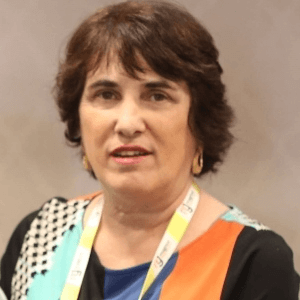
Daryle Wane
Nurse Consultant, Florida, USA
Abstract Title: Title: Best Practice Approach: How to Improve Clinical Communication Interactions
Biography:
Dr. Wane has a PhD in Nursing Science and master’s degree from the University of South Florida and is a Board-Certified Family Nurse Practitioner, with undergraduate degrees in Nutrition and Nursing from Brooklyn College and Downstate Medical Center College of Nursing. After 32 years, in Academia, Dr. Wane is now focused on the role of Nurse Consultant. She has published numerous supplements in textbooks as well as journal articles, continues to serve as an editorial board member and peer reviewer for several journal publications. She is also a member of Sigma Theta Tau Nursing Honor Society and a CCNE evaluator.
Research Interest:
With the advent of technology and use of EHR, clinical communication interactions have been impacted leading to a detached relationship between stakeholders in the clinical practice setting. Too often, there is a detached sense of reality in the clinical practice setting whereby the skill/technology becomes the focus of the interaction and the patient/family gets lost in the process. Real world examples will be reviewed and analyzed for their relative contribution. Using EBP resources and a common-sense approach, strategies will be discussed that will hopefully improve clinical communication interactions in the practice setting. The value of placing “humanity and compassion” back at the bedside will lead to improved outcomes in healthcare whereby the clinical communication interaction is utilized rather than excluded due to technological advances. Clinical judgment and clinical decision-making often are lost as the technological focus overrides the responsibility and accountability to make accurate assessments based on clinical data. The cornerstone of “what if,” “why” and “how” are not being addressed in a timely manner leading to crisis clinical management rather than preventative management. Bringing back respect into the clinical communication interactions will help facilitate improved outcomes and valued relationships in the practice setting. Use communication techniques at the bedside and maintain an open dialogue whereby data is observed , recorded and analyzed in a real time rather than as an historical event. Enabling the nurse at the bedside to seek answers and analyze rather than react as a data entry point of contact will help facilitate outcomes